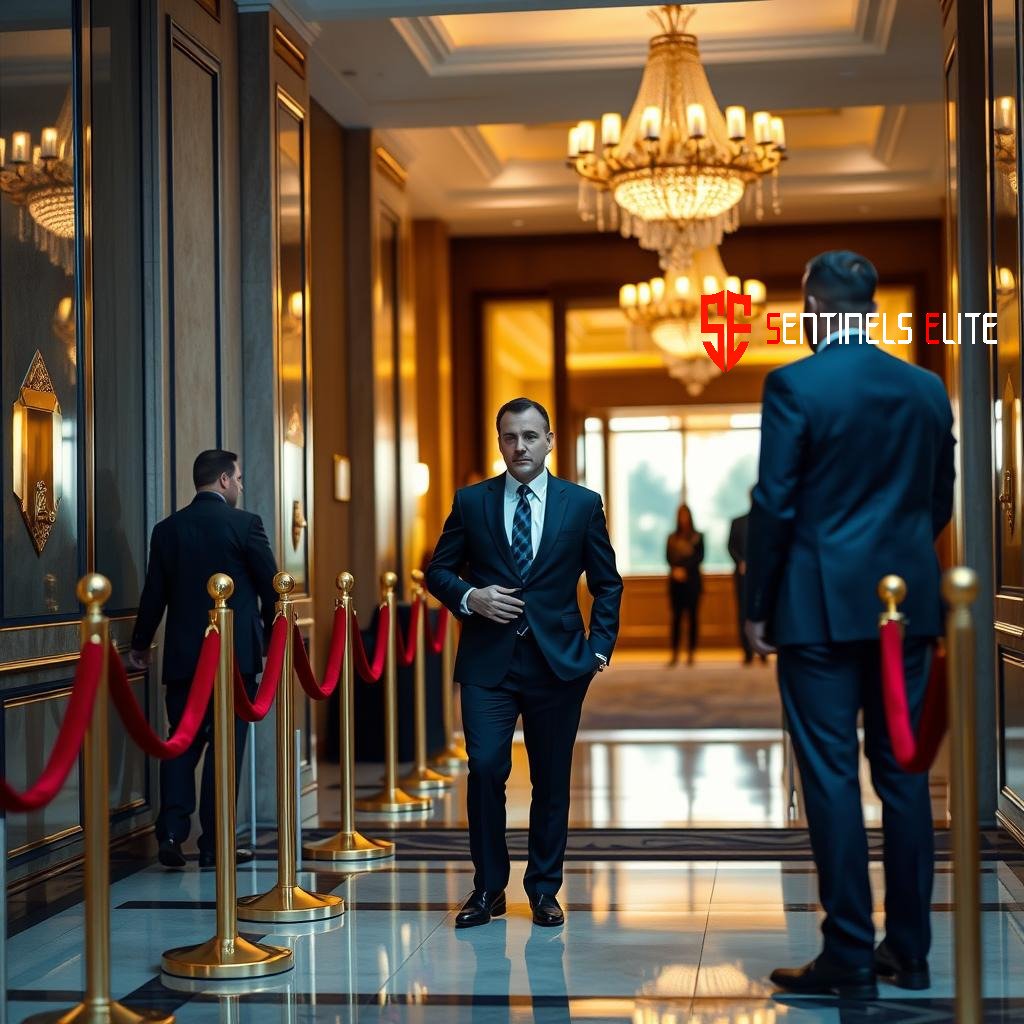
Die Essenz der Bedrohungsanalyse im Personenschutz: Warum sie unverzichtbar ist
In einer zunehmend komplexen Welt, in der die Bedrohungslandschaft sich ständig wandelt, ist der Personenschutz weit mehr als nur die physische Anwesenheit eines Wachmanns. Er ist ein strategischer Prozess, der auf einer fundierten Bedrohungsanalyse basiert. Als erfahrener Sicherheitsexperte und Fachautor für die physische Sicherheitsbranche in Österreich betone ich stets: Ohne eine präzise Einschätzung potenzieller Gefahren ist jede Schutzmaßnahme bestenfalls ein Ratespiel und schlimmstenfalls wirkungslos. Die Bedrohungsanalyse im Personenschutz ist das Fundament, auf dem alle weiteren Sicherheitskonzepte und -strategien aufbauen. Sie ermöglicht es einem spezialisierten Sicherheitsunternehmen Österreich, proaktiv statt reaktiv zu agieren und maßgeschneiderte Schutzkonzepte zu entwickeln, die den spezifischen Bedürfnissen und dem Risikoprofil des Schutzobjekts gerecht werden.
Die Aufgabe der Bedrohungsanalyse ist es, potenzielle Gefahren für eine Person, sei es eine Führungskraft, eine prominente Persönlichkeit oder eine Privatperson mit erhöhtem Schutzbedarf, systematisch zu identifizieren, zu bewerten und zu priorisieren. Dies erfordert ein tiefes Verständnis sowohl der potenziellen Angreifer als auch der Schwachstellen des Schutzobjekts und seines Umfelds. Ein professioneller Sicherheitsdienst Wien, der im Bereich des Personenschutzes tätig ist, muss diese Disziplin beherrschen, um effektiven Schutz zu gewährleisten. Es geht darum, die Wahrscheinlichkeit eines Angriffs und das potenzielle Ausmaß des Schadens zu minimieren, indem man Risiken frühzeitig erkennt und entsprechende präventive Maßnahmen ergreift.
Dieser Artikel beleuchtet die grundlegenden Prinzipien der Bedrohungsanalyse im Personenschutz. Wir werden uns mit der Risikoeinschätzung, der kritischen Informationsbeschaffung, der Entwicklung von Schutzstufenmodellen und der Implementierung präventiver Maßnahmen befassen. Ziel ist es, Ihnen ein umfassendes Verständnis dafür zu vermitteln, wie moderne und effektive Personensicherheit in Österreich, insbesondere in urbanen Zentren wie Wien, geplant und umgesetzt wird. Die Komplexität der Bedrohungen erfordert einen ganzheitlichen Ansatz, der technologische Lösungen, menschliche Expertise und ein tiefes Verständnis der rechtlichen Rahmenbedingungen, wie der Gewerbeordnung (GewO) für Sicherheitsdienstleistungen und der Datenschutz-Grundverordnung (DSGVO) für die Informationsverarbeitung, miteinander verbindet.
Fundamentale Säule: Die umfassende Risikoeinschätzung
Die Risikoeinschätzung bildet das Herzstück jeder Bedrohungsanalyse. Sie ist ein systematischer Prozess, um potenzielle Gefahren zu identifizieren, ihre Eintrittswahrscheinlichkeit zu bewerten und die möglichen Auswirkungen zu analysieren. Ein ganzheitliches Sicherheitsunternehmen Österreich muss dabei verschiedene Dimensionen berücksichtigen, um ein realistisches Bild der Bedrohungslage zu erhalten.
Risikoidentifikation: Wer, Was, Wo, Wann, Wie?
Der erste Schritt besteht darin, alle denkbaren Bedrohungen zu identifizieren. Dies umfasst:
- Potenzielle Angreifer: Wer könnte ein Interesse daran haben, dem Schutzobjekt Schaden zuzufügen? Dies können Kriminelle, Stalker, politische Extremisten, Konkurrenten oder sogar verärgerte ehemalige Mitarbeiter sein. Man muss Motive, Fähigkeiten und Ressourcen dieser Akteure bewerten.
- Angriffsarten: Welche Methoden könnten angewendet werden? Von physischen Übergriffen, Entführungen, Erpressung, Cyberangriffen bis hin zu Rufschädigung oder Sabotage. Jede Angriffsart erfordert spezifische Abwehrmechanismen.
- Kritische Bereiche und Zeitpunkte: Wo und wann ist das Schutzobjekt am anfälligsten? Dies betrifft Routinen, öffentliche Auftritte, Reisen, aber auch private Rückzugsorte. Ein spezialisierter Sicherheitsdienst Wien analysiert hierbei detailliert die Lebens- und Arbeitsgewohnheiten der zu schützenden Person.
Bedrohungspotenzialanalyse: Absicht und Fähigkeit
Sobald potenzielle Bedrohungen identifiziert sind, muss deren Potenzial bewertet werden. Hierbei geht es um:
- Absicht (Intent): Wie stark ist der Wille des potenziellen Angreifers, die Bedrohung umzusetzen? Dies kann durch frühere Handlungen, Äußerungen oder bekannte Ideologien beurteilt werden.
- Fähigkeit (Capability): Verfügt der Angreifer über die notwendigen Mittel (finanziell, personell, technisch, waffentechnisch) und das Know-how, um die Bedrohung erfolgreich auszuführen?
- Historische Daten: Gab es in der Vergangenheit bereits Vorfälle oder Drohungen gegen das Schutzobjekt oder vergleichbare Personen? Diese Informationen sind von unschätzbarem Wert für die Einschätzung.
Schutzobjektanalyse: Schwachstellen erkennen
Parallel zur Bedrohungsanalyse muss eine detaillierte Analyse des Schutzobjekts selbst erfolgen. Dies beinhaltet:
- Persönliches Profil: Öffentliche Bekanntheit, Vermögensverhältnisse, politische oder geschäftliche Funktionen, persönliche Beziehungen, Gesundheitszustand.
- Routinen und Gewohnheiten: Arbeitswege, Freizeitaktivitäten, Reisen, private Aufenthalte. Jede Routine kann ein potenzielles Angriffsfenster bieten.
- Umfeldanalyse: Das soziale, politische und geografische Umfeld, in dem sich das Schutzobjekt bewegt. Dies betrifft auch die Sicherheit von Wohn- und Arbeitsstätten, wo der Objektschutz eine entscheidende Rolle spielt.
Praxistipp: Die SWOT-Analyse für das Schutzobjekt
Wenden Sie die Prinzipien einer SWOT-Analyse an, um Stärken (Strengths), Schwächen (Weaknesses), Chancen (Opportunities) und Bedrohungen (Threats) des Schutzobjekts und seines Umfelds zu identifizieren. Stärken könnten ein gutes Netzwerk sein, Schwächen eine vorhersehbare Routine, Chancen die Nutzung moderner Sicherheitstechnologien und Bedrohungen die identifizierten Angreifer.
Die Integration von Objektschutzmaßnahmen mit dem Personenschutz ist hierbei von großer Bedeutung. Ein sicheres Zuhause oder Büro, überwacht durch professionelle Bewachung, reduziert die Angriffsfläche erheblich und ist ein wichtiger Bestandteil des Gesamtkonzepts eines Sicherheitsdienstes in Wien oder anderswo in Österreich.
Präzision durch Information: Effektive Informationsbeschaffung
Eine fundierte Risikoeinschätzung ist ohne präzise und aktuelle Informationen undenkbar. Die Informationsbeschaffung ist ein kontinuierlicher Prozess, der verschiedene Quellen und Methoden nutzt, um ein möglichst vollständiges Bild der Bedrohungslage zu erhalten. Ein professionelles Sicherheitsunternehmen Oesterreich investiert erheblich in diesen Bereich.
Quellen und Methoden der Informationsbeschaffung
- Open Source Intelligence (OSINT): Dies umfasst die Sammlung und Analyse öffentlich zugänglicher Informationen aus dem Internet (soziale Medien, Foren, Nachrichtenportale, Darknet), Printmedien und anderen öffentlichen Quellen. OSINT ist oft der erste Ansatzpunkt und kann wertvolle Hinweise auf potenzielle Bedrohungen oder Angreifer liefern.
- Human Intelligence (HUMINT): Die Beschaffung von Informationen durch menschliche Quellen ist nach wie vor von unschätzbarem Wert. Dies kann durch Interviews mit relevanten Personen, informelle Netzwerke oder gezielte Beobachtungen erfolgen. Hierbei ist größte Sensibilität und Diskretion geboten.
- Technische Intelligence (TECHINT): Die Nutzung technischer Mittel zur Informationsgewinnung, wie die Überwachung von Kommunikationskanälen (unter strenger Einhaltung gesetzlicher Vorschriften) oder die Analyse von Metadaten.
- Lokale Behörden und Netzwerke: Die Zusammenarbeit mit lokalen Polizeibehörden, Verfassungsschutz und anderen Sicherheitsorganen ist in Österreich essenziell. Ein gut vernetzter Sicherheitsdienst Wien kann auf relevante Informationen und Einschätzungen zugreifen, die für den Personenschutz von Bedeutung sind.
Datenanalyse und -interpretation: Vom Rohmaterial zur Erkenntnis
Rohdaten sind nur dann nützlich, wenn sie korrekt analysiert und interpretiert werden. Dies erfordert spezialisierte Fähigkeiten und Werkzeuge:
- Verifikation und Validierung: Informationen müssen auf ihre Glaubwürdigkeit und Richtigkeit überprüft werden. Mehrere unabhängige Quellen sind hierfür ideal.
- Mustererkennung: Das Identifizieren von wiederkehrenden Mustern, Anomalien oder Zusammenhängen in großen Datenmengen.
- Trendanalyse: Die Beobachtung von Entwicklungen und Veränderungen in der Bedrohungslandschaft über die Zeit.
- Kontextualisierung: Informationen müssen immer im Kontext des Schutzobjekts und seiner spezifischen Situation bewertet werden.
Rechtliche Rahmenbedingungen in Österreich: Datenschutz und Gewerbeordnung
Bei der Informationsbeschaffung müssen in Österreich zwingend die gesetzlichen Bestimmungen eingehalten werden. Die wichtigsten sind:
- Datenschutz-Grundverordnung (DSGVO): Die Erhebung, Speicherung und Verarbeitung personenbezogener Daten ist streng reguliert. Personenschutzdienstleister müssen sicherstellen, dass alle Prozesse DSGVO-konform sind, insbesondere wenn es um sensible Daten von Dritten geht.
- Gewerbeordnung (GewO): Die GewO regelt die Ausübung von Sicherheitsdienstleistungen in Österreich. Sie legt fest, welche Tätigkeiten erlaubt sind und welche Qualifikationen erforderlich sind. Ein seriöses Sicherheitsunternehmen Österreich agiert stets im Rahmen dieser Gesetze.
- Strafrechtliche Bestimmungen: Es ist selbstverständlich, dass bei der Informationsbeschaffung keine strafbaren Handlungen begangen werden dürfen (z.B. illegale Überwachung, Hacking).
Checkliste: Wichtige Informationsquellen für die Bedrohungsanalyse
- Öffentliche Medien (Nachrichten, Fachzeitschriften)
- Soziale Medien und Online-Foren
- Darknet-Monitoring (durch spezialisierte Analysten)
- Polizeiliche und behördliche Informationen (im Rahmen der Zusammenarbeit)
- Interviews mit dem Schutzobjekt und dessen Umfeld
- Berichte über ähnliche Vorfälle
- Geografische Informationen und Kartenmaterial
- Reisewarnungen und politische Lageberichte
Schutzstufenmodelle: Maßgeschneiderte Sicherheit planen
Nachdem die Bedrohungen identifiziert und bewertet sowie die notwendigen Informationen gesammelt wurden, besteht der nächste Schritt darin, ein passendes Schutzkonzept zu entwickeln. Hierbei kommen sogenannte Schutzstufenmodelle zum Einsatz. Diese ermöglichen es, die Intensität der Schutzmaßnahmen an das jeweilige Risikoprofil anzupassen und Ressourcen effizient einzusetzen.
Definition und Zweck von Schutzstufen
Ein Schutzstufenmodell ist ein hierarchisches System, das verschiedene Niveaus von Sicherheitsmaßnahmen definiert. Jede Stufe korreliert mit einem bestimmten Bedrohungslevel und legt fest, welche personellen, organisatorischen und technischen Ressourcen zum Einsatz kommen. Der Zweck ist es, eine flexible und skalierbare Sicherheitsstrategie zu ermöglichen, die auf dynamische Bedrohungsänderungen reagieren kann. Dies ist besonders wichtig für ein Sicherheitsunternehmen Oesterreich, das Kunden mit unterschiedlichen Schutzbedürfnissen betreut.
Entwicklung eines Schutzstufenmodells: Kriterien
Die Kriterien für die Zuweisung zu einer Schutzstufe basieren auf der detaillierten Bedrohungsanalyse und Risikoeinschätzung:
- Risikolevel: Dies ist der primäre Faktor. Ein hohes Risiko erfordert eine hohe Schutzstufe, ein geringes Risiko eine niedrigere.
- Exponiertheit des Schutzobjekts: Wie öffentlich ist die Person? Welche Rolle spielt sie in der Gesellschaft oder Wirtschaft?
- Umfeld und Kontext: Die geografische Lage, politische Stabilität, Kriminalitätsrate und spezifische Ereignisse (z.B. Großveranstaltungen, Krisenzeiten) beeinflussen die Schutzstufe.
- Verfügbare Ressourcen: Die Schutzstufe muss auch realistisch im Hinblick auf die zur Verfügung stehenden personellen und finanziellen Mittel sein.
Beispiele für Schutzstufen im Personenschutz
Typischerweise werden Schutzstufen in drei bis fünf Kategorien unterteilt. Hier ein Beispiel für ein Vier-Stufen-Modell, wie es ein professioneller Sicherheitsdienst Wien anwenden könnte:
- Stufe 1: Basis-Schutz (Geringes Risiko)
- Maßnahmen: Regelmäßige Überprüfung des Wohn- und Arbeitsumfelds (Objektschutz), Sensibilisierung des Schutzobjekts für potenzielle Gefahren, allgemeine Verhaltensrichtlinien, Notfallkontaktplan.
- Personal: Keine ständige persönliche Bewachung, bei Bedarf diskrete Begleitung durch geschultes Personal.
- Stufe 2: Erhöhter Schutz (Mittleres Risiko)
- Maßnahmen: Erweiterter Objektschutz mit verstärkter Bewachung, detaillierte Routenplanung, sporadische Begleitung durch ein oder zwei Personenschützer, Nutzung sicherer Fahrzeuge.
- Personal: Ein oder zwei Personenschützer, die flexibel eingesetzt werden, oft verdeckt.
- Stufe 3: Hoher Schutz (Deutliches Risiko)
- Maßnahmen: Permanente, sichtbare oder verdeckte Bewachung durch ein Team von Personenschützern, umfassender Objektschutz, Einsatz von Sicherheitstechnik (Videoüberwachung, Alarmanlagen), detaillierte Voraufklärung von Reisezielen und Veranstaltungen.
- Personal: Ein festes Team von Personenschützern (z.B. zwei bis vier), das im Schichtsystem arbeitet.
- Stufe 4: Kritischer Schutz (Sehr hohes/akutes Risiko)
- Maßnahmen: Umfassendste Schutzmaßnahmen, einschließlich gepanzerter Fahrzeuge, elektronischer Gegenmaßnahmen, enger Zusammenarbeit mit Behörden, evtl. Evakuierungspläne, Einsatz mehrerer Schutzteams.
- Personal: Ein großes, hochqualifiziertes und erfahrenes Schutzteam, oft mit spezialisierten Fähigkeiten (z.B. Sanitäter, Fahrer).
Praktisches Beispiel: Wie ein Sicherheitsdienst Wien Schutzstufen umsetzt
Ein CEO eines multinationalen Konzerns in Wien, der aufgrund einer geschäftlichen Transaktion Drohungen erhält, würde wahrscheinlich von Stufe 1 auf Stufe 3 oder 4 hochgestuft. Dies würde bedeuten, dass sein Weg zur Arbeit nicht mehr allein, sondern mit einem Team von Personenschützern im gesicherten Fahrzeug erfolgt, sein Büro und seine Wohnung unter ständiger Bewachung stehen und alle Termine vorab durch das Sicherheitsteam geprüft werden. Die Bewachung würde nicht nur aus statischem Objektschutz bestehen, sondern auch aus dynamischem Begleitschutz, der sich den Bewegungen des CEOs anpasst.
Die regelmäßige Überprüfung und Anpassung der Schutzstufe ist entscheidend, da sich die Bedrohungslage jederzeit ändern kann. Ein dynamisches Sicherheitskonzept ist hierbei das A und O.
Präventive Maßnahmen: Proaktiver Schutz im Alltag
Präventive Maßnahmen sind das Rückgrat jedes effektiven Personenschutzkonzepts. Sie zielen darauf ab, potenzielle Angriffe von vornherein zu verhindern oder zumindest deren Erfolgswahrscheinlichkeit erheblich zu reduzieren. Ein ganzheitliches Sicherheitsunternehmen Oesterreich setzt dabei auf eine Kombination aus personellen, organisatorischen und technischen Maßnahmen.
Personelle Maßnahmen: Kompetenz und Vertrauen
- Professionelle Personenschützer: Die Auswahl und Ausbildung des Schutzpersonals ist entscheidend. Sie müssen nicht nur physisch und psychisch belastbar sein, sondern auch über ausgezeichnete soziale Kompetenzen, Diskretion und situationsgerechtes Handeln verfügen. Regelmäßige Fortbildungen und Trainings sind unerlässlich.
- Teamzusammensetzung: Ein effektives Schutzteam besteht aus Personen mit komplementären Fähigkeiten (Fahrer, Sanitäter, Kommunikationsspezialist).
- Hintergrundüberprüfung: Alle im Personenschutz tätigen Mitarbeiter müssen einer strengen Überprüfung unterzogen werden, um deren Integrität und Zuverlässigkeit sicherzustellen.
Organisatorische Maßnahmen: Strukturierte Sicherheit
- Routinenbruch: Das Schutzobjekt sollte angehalten werden, Routinen zu variieren (z.B. verschiedene Wege zur Arbeit, wechselnde Freizeitaktivitäten), um es für potenzielle Angreifer unberechenbarer zu machen.
- Notfallpläne: Für verschiedene Szenarien (Angriff, Entführung, medizinischer Notfall) müssen detaillierte Notfall- und Evakuierungspläne existieren und regelmäßig geübt werden.
- Kommunikation: Klare Kommunikationsprotokolle zwischen dem Schutzteam, dem Schutzobjekt und relevanten Dritten (Familie, Büro, Behörden) sind unerlässlich.
- Informationsmanagement: Sensible Informationen über das Schutzobjekt müssen geschützt werden. Dies umfasst auch die Schulung des Büropersonals im Umgang mit Anfragen und Daten.
Technische Maßnahmen: Moderne Unterstützung
- Sichere Fahrzeuge: Der Einsatz von gepanzerten Fahrzeugen, Sicherheitssystemen im Fahrzeug und geschulten Sicherheitsfahrern ist oft ein Kernbestandteil des Schutzes.
- Sicherheits- und Kommunikationstechnik: GPS-Tracking, verschlüsselte Kommunikationsgeräte, Notrufsysteme, mobile Alarmanlagen.
- Objektschutz-Systeme: Für Wohn- und Arbeitsstätten sind Alarmanlagen, Videoüberwachung, Zutrittskontrollsysteme und physische Barrieren (z.B. verstärkte Türen und Fenster) von großer Bedeutung. Ein erfahrener Sicherheitsdienst Wien berät hier umfassend und installiert entsprechende Systeme. Die professionelle Bewachung durch Sicherheitspersonal vor Ort ergänzt die Technik ideal.
Verhaltensprävention: Das Schutzobjekt als aktiver Partner
Das Schutzobjekt selbst spielt eine aktive Rolle bei der Prävention. Schulungen können umfassen:
- Situationsbewusstsein: Erkennen potenziell gefährlicher Situationen oder Personen.
- Verhalten im Notfall: Wie man sich bei einem Angriff verhält, Anweisungen der Personenschützer befolgt.
- Diskretes Verhalten: Vermeidung unnötiger Risiken, Schutz der Privatsphäre in sozialen Medien.
- Kommunikation mit dem Schutzteam: Offene und ehrliche Kommunikation über alle relevanten Aspekte.
Checkliste: Präventive Maßnahmen im Überblick
- Regelmäßige Überprüfung und Anpassung der Sicherheitskonzepte
- Schulung und Weiterbildung des Schutzpersonals
- Umfassende Hintergrundüberprüfungen
- Variationen in Routinen und Abläufen
- Detaillierte Notfall- und Evakuierungspläne
- Einsatz sicherer Fahrzeuge und Kommunikationstechnik
- Implementierung moderner Objektschutz-Systeme
- Schulung des Schutzobjekts in Verhaltensprävention und Situationsbewusstsein
- Enge Kooperation mit lokalen Behörden
Kontinuierliche Anpassung und Evaluierung: Ein dynamischer Prozess
Die Bedrohungslandschaft ist niemals statisch. Politische Veränderungen, wirtschaftliche Entwicklungen, neue Technologien oder persönliche Umstände des Schutzobjekts können die Risikobewertung jederzeit beeinflussen. Daher ist die Bedrohungsanalyse im Personenschutz kein einmaliger Vorgang, sondern ein kontinuierlicher, dynamischer Prozess, der ständiger Überprüfung und Anpassung bedarf. Ein führendes Sicherheitsunternehmen Österreich weiß, dass Sicherheit ein lebendiges System ist.
Die Notwendigkeit permanenter Überwachung
Ein professioneller Sicherheitsdienst Wien überwacht kontinuierlich die relevanten Informationsquellen und die allgemeine Sicherheitslage. Dies beinhaltet:
- Medien- und Social-Media-Monitoring: Erkennen von neuen Bedrohungen oder Veränderungen in der öffentlichen Wahrnehmung des Schutzobjekts.
- Lagebeobachtung: Analyse politischer, gesellschaftlicher und krimineller Entwicklungen, die Auswirkungen auf die Sicherheit haben könnten.
- Feedback-Schleifen: Regelmäßiger Austausch mit dem Schutzobjekt und dem Schutzteam über aktuelle Erfahrungen und Beobachtungen.
Regelmäßige Überprüfung und Aktualisierung
Mindestens einmal jährlich, oder bei signifikanten Veränderungen in der Bedrohungslage, sollte eine vollständige Neubewertung der Bedrohungsanalyse und der daraus abgeleiteten Schutzkonzepte erfolgen. Dies umfasst:
- Re-Evaluierung der Risikoeinschätzung: Sind die identifizierten Bedrohungen noch relevant? Sind neue hinzugekommen? Hat sich das Bedrohungspotenzial geändert?
- Überprüfung der Schutzstufen: Ist die aktuelle Schutzstufe noch angemessen oder muss sie angepasst werden?
- Anpassung der Maßnahmen: Sind die implementierten präventiven, personellen, organisatorischen und technischen Maßnahmen noch effektiv? Müssen sie modernisiert oder erweitert werden?
- Training und Schulung: Sind die Personenschützer und das Schutzobjekt ausreichend geschult für die aktuelle Bedrohungslage?
Bedeutung von Feedback und Incident Reporting
Jeder Vorfall, jede verdächtige Beobachtung, jede Abweichung von der Norm muss dokumentiert und analysiert werden. Dies liefert wertvolle Erkenntnisse für die Verbesserung des Sicherheitssystems. Ein Incident Reporting System ermöglicht es, aus Fehlern zu lernen und Schwachstellen zu beheben, bevor sie ausgenutzt werden können. Diese kontinuierliche Verbesserung ist ein Kennzeichen exzellenter Bewachung und Personenschutzdienstleistungen.
Die Rolle des Sicherheitsunternehmens als langfristiger Partner geht über die reine Dienstleistung hinaus. Es ist eine Vertrauensbeziehung, die auf kontinuierlicher Kommunikation, Transparenz und der gemeinsamen Verpflichtung zur Sicherheit basiert. Nur so kann gewährleistet werden, dass das Schutzobjekt auch unter sich ändernden Bedingungen optimal geschützt ist.
Fazit: Sicherheit als strategische Investition
Die Bedrohungsanalyse im Personenschutz ist ein komplexer, aber absolut unverzichtbarer Prozess, der das Fundament für eine effektive und maßgeschneiderte Sicherheitsstrategie bildet. Von der detaillierten Risikoeinschätzung über die präzise Informationsbeschaffung bis hin zur Implementierung flexibler Schutzstufenmodelle und präventiver Maßnahmen – jeder Schritt ist entscheidend, um das Schutzobjekt in Österreich, sei es in Wien oder in ländlicheren Regionen, optimal zu schützen.
Es ist eine strategische Investition in die Sicherheit und das Wohlbefinden von Individuen, die besonderen Risiken ausgesetzt sind. Ein professioneller Sicherheitsdienst Wien oder ein spezialisiertes Sicherheitsunternehmen Österreich, das diese Prinzipien konsequent anwendet, bietet nicht nur Schutz, sondern auch ein Gefühl der Sicherheit und die Freiheit, sich auf das Wesentliche konzentrieren zu können, ohne ständige Angst vor Bedrohungen. Die ständige Anpassung an eine sich wandelnde Bedrohungslandschaft und die Einhaltung rechtlicher Rahmenbedingungen wie der DSGVO und GewO sind dabei selbstverständlich.
Vertrauen Sie auf Expertise und Erfahrung, um Ihre persönliche Sicherheit auf ein professionelles Niveau zu heben. Denn im Personenschutz zählt jeder Schritt, jede Information und jede präventive Maßnahme, um das höchste Gut – die Unversehrtheit des Menschen – zu gewährleisten. Ob Objektschutz oder persönliche Bewachung, die Grundlage ist immer eine fundierte und dynamische Bedrohungsanalyse.
Häufig gestellte Fragen
Was ist der Unterschied zwischen Bedrohungsanalyse und Risikoeinschätzung im Personenschutz?
Die Bedrohungsanalyse ist der übergeordnete Prozess, der die systematische Identifikation, Bewertung und Priorisierung potenzieller Gefahren für eine Person umfasst. Die Risikoeinschätzung ist ein integraler Bestandteil der Bedrohungsanalyse, bei der spezifische Risiken (Wahrscheinlichkeit des Eintretens und potenzieller Schaden) bewertet werden, nachdem Bedrohungen identifiziert wurden. Kurz gesagt: Die Bedrohungsanalyse identifiziert, was bedroht, und die Risikoeinschätzung bewertet, wie wahrscheinlich und wie schlimm es ist.
Welche Rolle spielen österreichische Gesetze wie die DSGVO und GewO bei der Bedrohungsanalyse?
Die DSGVO (Datenschutz-Grundverordnung) ist entscheidend für die rechtmäßige Erhebung, Speicherung und Verarbeitung personenbezogener Daten, die bei der Informationsbeschaffung anfallen. Sicherheitsunternehmen müssen sicherstellen, dass sie alle Daten im Einklang mit den Datenschutzbestimmungen verarbeiten. Die GewO (Gewerbeordnung) regelt die Rahmenbedingungen für die Ausübung von Sicherheitsdienstleistungen in Österreich, einschließlich der Anforderungen an Personal und Unternehmen. Sie stellt sicher, dass Sicherheitsdienstleistungen professionell und gesetzeskonform erbracht werden.
Wie oft sollte eine Bedrohungsanalyse im Personenschutz aktualisiert werden?
Eine Bedrohungsanalyse sollte als dynamischer Prozess verstanden werden. Während eine umfassende Neubewertung mindestens einmal jährlich oder bei signifikanten Veränderungen (z.B. neue berufliche Rolle, öffentliche Bekanntheit, persönliche Bedrohungen) erfolgen sollte, ist ein kontinuierliches Monitoring der Bedrohungslage und der Sicherheitsmaßnahmen unerlässlich. Bei Bedarf, wie etwa bei neuen Informationen oder Vorfällen, muss sofort eine Ad-hoc-Anpassung vorgenommen werden.
Kann ein Sicherheitsdienst Wien auch Objektschutz und Bewachung für Privatpersonen anbieten?
Ja, ein qualifizierter Sicherheitsdienst Wien bietet in der Regel sowohl Personenschutz als auch Objektschutz und Bewachung für Privatpersonen an. Die Sicherheit des persönlichen Umfelds (Wohnsitz, Ferienimmobilien) ist oft ein integraler Bestandteil eines umfassenden Personenschutzkonzepts. Diese Dienstleistungen werden an die individuellen Bedürfnisse und das Risikoprofil der Privatperson angepasst, um ein ganzheitliches Sicherheitsnetz zu schaffen.
Understanding the Landscape: The Imperative of Threat Analysis in Close Protection
In the dynamic realm of personal security, particularly close protection, the ability to anticipate and mitigate potential threats is paramount. It's not merely about reacting to an incident; it's about establishing a robust, proactive defense mechanism. For a security company in Austria, operating in a region known for its stability yet not immune to global complexities, threat analysis forms the bedrock of any effective close protection strategy. This foundational process involves a meticulous examination of all factors that could potentially endanger a principal, allowing security professionals to move beyond generic security measures and implement bespoke, intelligence-driven safeguards.
Close protection, often misunderstood as solely a bodyguard service, is in fact a highly specialized field encompassing a broad spectrum of disciplines. At its core, it is about creating a secure environment for an individual, their family, and their assets, enabling them to conduct their lives and business without undue risk. This requires a deep understanding of the principal's lifestyle, public profile, and potential vulnerabilities. Without a thorough threat analysis, security operations risk being either insufficient, leaving gaps for adversaries to exploit, or excessive, leading to unnecessary costs and disruptions to the principal's daily life. In a city like Vienna, where international diplomacy, high-profile events, and significant commercial activities converge, the nuances of threat analysis become even more critical, demanding local expertise and a global perspective.
The objective of threat analysis is not to eliminate all risk – an impossible feat – but to reduce it to an acceptable level. This involves a continuous cycle of information gathering, assessment, planning, implementation, and review. It's a living process that adapts to evolving circumstances, ensuring that protection remains relevant and effective. For a leading security company Austria, this commitment to ongoing analysis is what differentiates professional security services Vienna from less comprehensive offerings. It ensures that whether the threat emanates from a disgruntled former employee, a politically motivated extremist, or opportunistic criminals, the protective details are prepared and resilient.
The Cornerstone: Comprehensive Risk Assessment in Personal Security
Risk assessment is the analytical engine of threat analysis, providing a structured approach to identifying, evaluating, and prioritizing potential dangers. It moves beyond mere speculation, grounding security decisions in data and informed judgment. For close protection operatives and planners, a comprehensive risk assessment answers critical questions: Who are we protecting? From whom? What are the potential consequences? How likely are these events to occur? This systematic process is essential for designing proportionate and effective security measures, whether for a CEO navigating business dealings in Central Europe or a prominent family requiring discreet property protection at their residence outside Vienna.
Identifying Assets and Vulnerabilities
The first step in any risk assessment is to clearly define what needs protection. While the principal is the primary asset, the scope extends to their immediate family, key staff, personal residences, workplaces, travel routes, and even their reputation. Each of these assets possesses inherent vulnerabilities that an adversary could exploit. For instance, a principal’s predictable daily routine, public social media presence, or the lack of robust property protection at their home are significant vulnerabilities. In Austria, where privacy is highly valued, understanding how personal information could be weaponized is crucial. A thorough analysis considers:
- The Principal: Public profile, political affiliations, wealth, business activities, personal habits, health status.
- Family Members: Their routines, schools, social activities, and public exposure.
- Residences and Workplaces: Physical security measures, access control, surveillance, perimeter integrity. This is where expertise in property protection becomes vital, extending beyond mere alarms to include hardened structures, safe rooms, and integrated security systems.
- Travel and Commute: Regular routes, modes of transport, public exposure during transit.
- Digital Footprint: Online presence, data security, potential for cyber threats or doxing.
Understanding these vulnerabilities allows security professionals to pinpoint areas where protective measures are most needed and where an adversary might focus their efforts.
Analyzing Threats and Adversaries
Once assets and vulnerabilities are identified, the next phase involves understanding the potential sources of harm – the threats and adversaries. This requires a deep dive into the 'who' and 'why'. Threats can be categorized broadly:
- Criminal Threats: Kidnapping for ransom, extortion, robbery, assault. These are often financially motivated.
- Political/Ideological Threats: Terrorism, protest, harassment, assassination attempts by extremist groups or disgruntled individuals.
- Business-Related Threats: Corporate espionage, sabotage, hostile takeovers, threats from competitors or disgruntled former employees.
- Personal Threats: Stalking, harassment, domestic disputes, threats from ex-partners or obsessed individuals.
- Accidental/Environmental Threats: Natural disasters, medical emergencies, traffic accidents, although these are typically managed through emergency planning rather than adversary analysis.
For each potential adversary, security teams – often collaborating with local law enforcement and specialized security services Vienna – seek to understand their motivations, capabilities, intentions, and historical methods of operation. Is the threat a lone wolf, an organized criminal gang, or a sophisticated state actor? What resources do they possess? What is their modus operandi? This intelligence forms the basis for predicting potential attack methodologies.
Evaluating Likelihood and Impact
The final stage of risk assessment quantifies the identified risks by evaluating the likelihood of a threat materializing and the potential impact if it does. This often involves a matrix where likelihood (e.g., low, medium, high) is plotted against impact (e.g., minor, significant, catastrophic). For example, the likelihood of a high-profile CEO facing a targeted kidnapping attempt in a stable European city like Vienna might be low, but the impact would be catastrophic. Conversely, the likelihood of a pickpocketing incident in a crowded tourist area might be high, but the impact generally lower.
This systematic evaluation allows security teams to prioritize risks and allocate resources effectively. Risks deemed high likelihood and high impact demand immediate and robust protective measures. Those with low likelihood and low impact might warrant less intensive, but still present, mitigation strategies. This structured approach ensures that resources are deployed where they are most needed, maximizing the effectiveness of the security program and providing clear justification for the measures implemented by a reputable security company Austria.
The Intelligence Advantage: Meticulous Information Gathering
Effective threat analysis is inherently an intelligence-driven process. Without accurate, timely, and comprehensive information, risk assessments are merely educated guesses. Information gathering is therefore a continuous and multi-faceted endeavor, drawing from various sources to build a complete picture of the threat landscape. For security services Vienna, leveraging local knowledge and international intelligence networks is key to staying ahead of potential adversaries.
Open-Source Intelligence (OSINT) and Public Records
In the digital age, a vast amount of intelligence is publicly available. OSINT involves systematically collecting and analyzing information from open sources. This includes:
- Social Media: Monitoring public profiles of the principal and relevant individuals, identifying potential threats, or observing trends.
- News Media: Local, national, and international news outlets can provide context on political climates, protests, crime trends, and public sentiment relevant to the principal.
- Public Records: Legal databases, business registries, property records, and academic papers can offer valuable background information.
- Deep and Dark Web: While requiring specialized tools and expertise, these areas can sometimes reveal threat actors discussing plans or selling sensitive information.
The challenge with OSINT lies in sifting through the noise, verifying information, and understanding its relevance. It requires skilled analysts who understand the principal's threat profile and can identify actionable intelligence.
Human Intelligence (HUMINT) and Local Networks
While technology provides vast data, human intelligence offers invaluable context, nuance, and foresight that algorithms often miss. HUMINT involves gathering information through human interaction and observation:
- Local Law Enforcement: Establishing strong relationships with local police in Vienna and other jurisdictions is crucial. They can provide insights into local crime trends, potential threats, and assist in emergency response.
- Community Contacts: Building a network within the principal’s immediate environment (e.g., neighbors, building management, local businesses) can provide early warnings of unusual activity or suspicious behavior, complementing traditional property protection measures.
- Informants/Sources: In certain high-risk scenarios, vetted and trusted informants can provide critical pre-incident intelligence.
- Surveillance/Counter-Surveillance: Trained operatives conducting discreet surveillance can identify potential threats or confirm suspicious activities. Counter-surveillance is equally vital, detecting if the principal is being observed or targeted.
The ethical and legal considerations surrounding HUMINT, particularly under Austrian and European data protection regulations (DSGVO/GDPR), are paramount. All intelligence gathering must be conducted within legal boundaries and with respect for privacy.
Technical Intelligence (TECHINT) and Surveillance
TECHINT involves the use of technology to gather information and detect threats. This includes:
- Electronic Monitoring: Sweeping for listening devices or hidden cameras in sensitive areas (e.g., offices, residences, vehicles).
- Cyber Security Monitoring: Protecting digital assets, monitoring for cyber threats, and managing the principal's digital footprint.
- Physical Surveillance Systems: CCTV, alarm systems, and access control technologies are integral components, especially for comprehensive property protection.
The constant evolution of technology means that security professionals must continuously update their tools and expertise to effectively counter modern threats. Integration of these different intelligence streams provides a holistic view, enabling security professionals to make informed decisions and adapt their strategies dynamically.
Tailoring Protection: Developing Robust Protection Level Models
Once a thorough risk assessment and intelligence gathering process has been completed, the next critical step is to translate that information into actionable security protocols. This is where protection level models come into play. These models provide a structured framework for scaling security resources and intensity based on the assessed threat level. A 'one-size-fits-all' approach to close protection is inherently flawed; effective security is always bespoke, designed to address specific risks while minimizing intrusion into the principal's life. A professional security company Austria understands the necessity of this tailored approach.
Defining Protection Tiers
Protection level models typically categorize threat levels into distinct tiers, each correlating with a specific set of security measures and resource allocations. While specific terminology may vary, common tiers include:
- Low Threat: Generally involves discreet surveillance, secure communications, basic travel security, and perhaps enhanced property protection at primary residences. The focus is on deterrence and early detection.
- Medium Threat: Introduces more visible security elements, such as a dedicated close protection team (e.g., 2-3 operatives), armored transportation, advanced route planning, and heightened awareness of public exposure. Property protection might include on-site guards and advanced access control.
- High Threat: Demands comprehensive, overt security. This tier typically involves a larger, multi-person close protection team, fully armored convoy, secure compounds, extensive counter-surveillance, and coordination with local law enforcement. Every aspect of the principal's life is managed through a security lens, from personal appointments to international travel.
The assignment of a principal to a specific tier is a direct outcome of the risk assessment, considering the likelihood and impact of identified threats. This framework allows a security company, whether providing security services Vienna or operating globally, to justify the deployment of resources and ensure proportionality.
Resource Allocation and Operational Planning
Each protection tier dictates the type and quantity of resources required. This includes:
- Personnel: Number of close protection officers, drivers, surveillance operatives, and static guards for property protection. Their skill sets (e.g., medical training, defensive driving, linguistic capabilities) are also critical.
- Equipment: Armored vehicles, secure communication devices, surveillance technology, defensive equipment, and medical kits.
- Logistics: Detailed route planning, secure accommodation, emergency evacuation plans, and contingency arrangements for international travel.
- Protocols: Specific Standard Operating Procedures (SOPs) for daily routines, public appearances, and incident response.
Operational planning involves meticulously detailing how these resources will be deployed and coordinated. This includes drafting daily itineraries, conducting reconnaissance of venues and routes, establishing communication protocols, and developing emergency action plans. For complex operations, especially those involving multiple locations or international travel, a detailed operational plan is paramount, often requiring collaboration with local authorities and other security providers.
Dynamic Adjustment and Flexibility
A critical aspect of protection level models is their inherent flexibility. Threat levels are not static; they can change rapidly due to new intelligence, evolving geopolitical situations, or changes in the principal's public profile. Therefore, the protection level model must allow for dynamic adjustment. This means:
- Continuous Monitoring: Ongoing intelligence gathering and risk assessment to detect shifts in the threat landscape.
- Trigger Points: Pre-defined criteria or events that would necessitate an immediate increase or decrease in the protection level.
- Scalability: The ability to quickly scale up or down resources and protocols without compromising overall security effectiveness.
For example, if a principal becomes the target of public protest, their protection level might temporarily escalate from medium to high, requiring additional personnel and more overt measures. Once the immediate threat subsides, it can be scaled back. This agility ensures that security remains proportionate and cost-effective, a hallmark of professional security services Vienna.
Proactive Defense: Implementing Effective Preventive Measures
While a robust close protection team is essential, the most effective security strategies are those that prevent incidents from occurring in the first place. Preventive measures are designed to deter, detect, delay, and deny adversaries the opportunity to execute their plans. They form the practical application of threat analysis and risk assessment, translating insights into tangible safeguards. A comprehensive approach integrates physical, operational, and emergency preparedness measures, ensuring a multi-layered defense.
Physical Security Enhancements
Physical security is the first line of defense, creating barriers and deterrents to protect the principal in their most frequented environments. This is particularly crucial for property protection, safeguarding residences and workplaces:
- Access Control: Implementing robust systems for controlling entry to residences, offices, and secure areas. This includes biometric scanners, keycard systems, manned security checkpoints, and visitor management protocols.
- Surveillance Systems: Deploying high-definition CCTV cameras with analytics capabilities, motion sensors, and remote monitoring. These systems provide crucial situational awareness and forensic evidence.
- Perimeter Security: Fortifying the boundaries of properties with fences, walls, lighting, and intrusion detection systems. For high-risk principals, this might include reinforced gates and hostile vehicle mitigation barriers.
- Hardening of Structures: Reinforcing windows and doors, creating 'safe rooms' or 'panic rooms' within residences, and ensuring the structural integrity of critical areas.
- Secure Transportation: Utilizing armored vehicles, employing skilled defensive drivers, and varying travel routes to minimize predictability.
When considering property protection in Vienna or other Austrian cities, local regulations and architectural styles must be considered to ensure compliance and aesthetic integration.
Operational Security (OPSEC) Protocols
OPSEC focuses on protecting sensitive information and making the principal's movements and routines less predictable. It's about minimizing vulnerabilities that adversaries could exploit through observation or intelligence gathering:
- Varying Routines: Changing travel times, routes, and daily schedules to prevent pattern recognition by potential threats. This includes varying departure and arrival points for homes and offices.
- Communication Security: Using encrypted communication devices and secure channels to prevent interception of sensitive information. Avoiding discussing sensitive details in public or over unsecure networks.
- Digital Footprint Management: Actively managing the principal's online presence, limiting public exposure of personal information, and ensuring strong cybersecurity practices for all digital devices.
- Counter-Surveillance Measures: Regularly sweeping for surveillance devices, conducting counter-surveillance routes, and training the principal and staff to recognize suspicious behavior.
- Discreet Movements: Employing techniques to blend in rather than draw attention, especially in public spaces, while maintaining protective posture.
Effective OPSEC requires constant vigilance and disciplined adherence to protocols from the principal and their entire support network.
Emergency Response Planning and Training
Even with the best preventive measures, incidents can occur. Therefore, robust emergency response planning and regular training are non-negotiable:
- Emergency Action Plans (EAPs): Detailed plans for various scenarios, including medical emergencies, vehicle attacks, active shooter situations, and evacuation procedures.
- Medical Preparedness: Ensuring close protection officers are trained in advanced first aid and trauma care, with access to appropriate medical equipment.
- Evacuation Routes and Safe Havens: Identifying primary and secondary evacuation routes, and pre-arranged safe locations in case of an incident.
- Incident Command System: Establishing clear roles and responsibilities for managing an incident, coordinating with local emergency services (e.g., police, ambulance, fire department in Vienna).
- Regular Drills and Exercises: Conducting simulated scenarios to test the effectiveness of EAPs and ensure all team members are proficient in their roles. This includes testing property protection response times.
These preventive measures, when integrated seamlessly into daily operations, create a formidable protective shield around the principal. They demonstrate the proactive capabilities of a leading security company Austria, providing peace of mind through diligent planning and execution.
The Human Element and Continuous Evolution: Training, Technology, and Compliance
While methodologies and technologies are crucial, the ultimate success of close protection and threat analysis hinges on the human element and a commitment to continuous improvement. The security landscape is constantly evolving, and thus, so too must the protective strategies employed. This requires highly trained personnel, the judicious application of cutting-edge technology, strict adherence to legal and ethical standards, and an unwavering dedication to review and adaptation.
The Role of Highly Trained Personnel
The best threat analysis and most sophisticated security plan are only as effective as the individuals executing them. Close protection officers (CPOs) are the frontline of personal security, and their training and professionalism are paramount. For security services Vienna, this means:
- Specialized Training: CPOs must possess a diverse skill set, including defensive tactics, advanced driving, first aid and trauma care (e.g., Tactical Combat Casualty Care - TCCC), counter-surveillance techniques, and emergency response protocols.
- Situational Awareness: The ability to constantly observe, analyze, and anticipate potential threats in any environment. This is an intuitive skill honed through extensive experience and training.
- Discretion and Professionalism: Maintaining a low profile, respecting the principal's privacy, and conducting themselves with the utmost professionalism are crucial, especially in high-society or sensitive corporate environments.
- Communication Skills: Effective verbal and non-verbal communication with the principal, team members, and external stakeholders (e.g., local authorities, event organizers).
- Cultural Competence: Understanding and respecting local customs and norms, particularly important when operating internationally or in diverse environments within Austria.
A reputable security company Austria invests heavily in the ongoing training and professional development of its personnel, ensuring they are equipped to handle any contingency.
Leveraging Technology
Technology serves as a force multiplier in close protection, enhancing capabilities in intelligence gathering, communication, and physical security:
- Secure Communication Platforms: Encrypted radios, satellite phones, and secure messaging apps for internal team communication and external coordination.
- GPS Tracking and Navigation: For real-time vehicle tracking, route optimization, and emergency location services.
- Advanced Surveillance Equipment: Drones for perimeter checks, thermal imaging cameras, and sophisticated CCTV systems with AI-powered analytics for enhanced property protection.
- Cybersecurity Tools: Software and hardware solutions to protect digital assets, detect intrusions, and manage the principal's online security posture.
- Wearable Technology: Discreet panic buttons or biometric sensors for monitoring the principal's health and safety.
The integration of these technologies into a cohesive security system is vital, ensuring that data flows seamlessly and provides actionable intelligence to the protection team.
Adherence to Legal and Ethical Frameworks
Operating within the bounds of the law and upholding ethical standards is non-negotiable. In Austria, security professionals must navigate a framework of national laws, including those governing firearms, surveillance, and data protection (e.g., the Datenschutz-Grundverordnung - DSGVO, or GDPR). Key considerations include:
- Licensing and Permits: Ensuring all personnel and the security company Austria itself hold the necessary licenses and permits for security operations.
- Use of Force: Strict adherence to legal guidelines regarding the use of force, which must always be proportionate and a last resort.
- Data Protection: Handling all personal information, whether collected during threat analysis or daily operations, in strict compliance with GDPR. This includes consent, data minimization, and secure storage.
- Privacy: Respecting the principal's privacy and the privacy of others, avoiding intrusive or unwarranted surveillance.
Ethical conduct builds trust and maintains the reputation of both the principal and the security provider. Any deviation can have severe legal repercussions and undermine the entire security effort.
Continuous Review and Adaptation
The threat landscape is dynamic, and security strategies must evolve in kind. This necessitates a culture of continuous review and adaptation:
- Post-Incident Analysis: Learning from any security incidents, however minor, to refine protocols and improve response.
- Regular Threat Assessments: Re-evaluating risks periodically or when significant changes occur in the principal's profile or external environment.
- Training Updates: Keeping personnel abreast of new threats, technologies, and best practices through ongoing professional development.
- Feedback Loops: Encouraging feedback from the principal and the protection team to identify areas for improvement.
This commitment to perpetual evolution ensures that the security services provided remain robust, relevant, and effective against emerging threats, truly distinguishing a premier security company Austria.
Frequently Asked Questions
What is the primary goal of threat analysis in close protection?
The primary goal of threat analysis in close protection is to proactively identify, assess, and prioritize potential dangers to a principal, their family, and assets. This allows for the development and implementation of bespoke, intelligence-driven security strategies that mitigate risks to an acceptable level, preventing incidents rather than merely reacting to them. It ensures resources are allocated effectively and protection is proportionate to the actual threat.
How does a security company in Austria handle data privacy during information gathering?
A reputable security company in Austria adheres strictly to the General Data Protection Regulation (GDPR) and national data protection laws. During information gathering for threat analysis, this means collecting only necessary data, ensuring its secure storage, obtaining consent where required, and being transparent about data usage. All intelligence gathering methods, including OSINT and HUMINT, are conducted within legal and ethical boundaries, prioritizing the principal's privacy and the privacy of others while maintaining operational effectiveness.
Can property protection be integrated with close protection services?
Absolutely. Property protection is an integral component of a comprehensive close protection strategy. The principal's residences and workplaces are often significant vulnerabilities. Integrating property protection involves hardening physical structures, implementing advanced access control and surveillance systems, and deploying static guards. This creates a secure environment that complements the mobile protection provided by close protection officers, offering a seamless security umbrella whether the principal is at home or in transit. Many security services Vienna offer this integrated approach.
How often should a threat analysis be updated?
Threat analysis is not a one-time event but an ongoing, dynamic process. It should be regularly reviewed and updated, typically on a quarterly or semi-annual basis as a minimum. However, immediate updates are necessary whenever there are significant changes to the principal's profile (e.g., increased public exposure, new business ventures), changes in the geopolitical or local security environment, or new intelligence regarding potential threats. This continuous adaptation ensures the protection remains relevant and effective.
В современном мире, где динамика угроз постоянно меняется, эффективная персональная защита немыслима без глубокого и систематического анализа угроз. Это не просто набор реактивных мер, а комплексный проактивный подход, направленный на предотвращение инцидентов и обеспечение непрерывной безопасности. Как эксперт в области физической безопасности, особенно в контексте австрийских и европейских стандартов, я подчеркиваю, что фундаментом любой надежной системы защиты является именно качественный анализ угроз. Этот процесс позволяет не только выявить потенциальные риски, но и разработать адекватные, экономически обоснованные и эффективные стратегии защиты.
Персональная защита, или телохранительство, выходит далеко за рамки простого физического присутствия охранника. Она требует глубокого понимания психологии преступности, знания оперативных тактик, а также умения интегрировать технологические решения с человеческим фактором. В Австрии, как и во многих других развитых странах, стандарты безопасности весьма высоки, и профессиональные охранные услуги Вена предоставляют комплексные решения, основанные на тщательном анализе рисков. Цель этой статьи — подробно рассмотреть основные компоненты анализа угроз, предоставив читателю четкое понимание его важности и методологии.
Что Такое Анализ Угроз в Персональной Защите?
Анализ угроз в персональной защите – это систематический процесс идентификации, оценки и приоритизации потенциальных опасностей, которые могут угрожать жизни, здоровью, репутации или имуществу защищаемого лица. Он включает в себя сбор и интерпретацию информации о возможных источниках угроз, их мотивах, возможностях, а также об уязвимостях самого объекта защиты и его окружения. Конечная цель – разработка и внедрение таких мер безопасности, которые минимизируют вероятность возникновения инцидентов и смягчат их последствия, если они все же произойдут.
Этот процесс является краеугольным камнем проактивной безопасности. Без глубокого понимания того, от кого и как исходит угроза, любые меры защиты будут носить случайный характер и могут оказаться неэффективными или избыточными. Например, защита известного бизнесмена в Вене от возможного похищения будет существенно отличаться от защиты общественного деятеля, которому угрожают анонимные экстремисты. В первом случае акцент может быть сделан на оперативной безопасности и контроле доступа, во втором – на мониторинге социальных сетей и превентивной работе с правоохранительными органами.
Анализ угроз – это не одноразовое действие, а непрерывный цикл, который требует постоянного обновления данных и переоценки рисков. Мир меняется, и вместе с ним меняются и угрозы. Политические события, экономические сдвиги, появление новых технологий, изменение публичного статуса объекта защиты – все это может повлиять на актуальность ранее сделанных выводов. Профессиональная охранная компания Австрия всегда подчеркивает динамический характер этого процесса, регулярно пересматривая и адаптируя планы безопасности своих клиентов.
"Безопасность – это не состояние, а процесс."
Именно поэтому важно не только провести первоначальный анализ, но и постоянно мониторить ситуацию, быть готовым к изменению стратегий и тактик. Это требует от экспертов по безопасности не только глубоких знаний, но и аналитического склада ума, умения предвидеть и адаптироваться.
Оценка Рисков: Сердцевина Анализа Угроз
Оценка рисков является центральным элементом анализа угроз. Она включает в себя не только идентификацию потенциальных опасностей, но и анализ уязвимостей, а также определение вероятности реализации угрозы и потенциального ущерба. Этот этап позволяет перейти от общего понимания «существуют угрозы» к конкретному «какие угрозы наиболее вероятны и опасны для данного лица».
Идентификация Угроз
Первый шаг – это определение всех возможных источников и типов угроз. Угрозы могут быть разнообразными и исходить от различных субъектов:
- Физические угрозы: похищение, нападение, убийство, причинение телесных повреждений. Источниками могут быть криминальные элементы, конкуренты, сталкеры, политические или идеологические противники.
- Репутационные угрозы: клевета, распространение ложной информации, дискредитация. Часто связаны с публичными фигурами, бизнесменами, политиками.
- Финансовые угрозы: шантаж, вымогательство.
- Киберугрозы: взлом личных данных, шпионаж через электронные устройства, распространение компрометирующей информации в интернете.
- Угрозы безопасности данных: кража конфиденциальной информации, коммерческих тайн.
При идентификации важно учитывать специфику объекта защиты. Например, для высокопоставленного дипломата в Вене угрозы могут исходить от иностранных разведок или террористических групп, в то время как для известного художника — от навязчивых поклонников или преследователей (сталкеров). Изучаются все аспекты жизни человека: его публичная деятельность, бизнес-интересы, личные отношения, политические взгляды, история конфликтов. Охранные услуги Вена часто начинают с детального интервью с клиентом и его ближайшим окружением, чтобы собрать максимальное количество информации.
Анализ Уязвимостей
После идентификации угроз необходимо оценить, насколько защищаемое лицо и его окружение уязвимы к этим угрозам. Уязвимости могут быть:
- Личные: публичность, предсказуемость рутины, отсутствие навыков самозащиты, привычка делиться личной информацией в социальных сетях.
- Окружающие: незащищенность жилья (слабые двери, окна, отсутствие сигнализации), небезопасные маршруты передвижения, отсутствие охраны в офисе или на мероприятиях.
- Технологические: использование незащищенных электронных устройств, отсутствие шифрования данных, уязвимые домашние сети.
Например, если объект защиты ежедневно ездит одним и тем же маршрутом на работу в центре Вены, это создает предсказуемую уязвимость, которой могут воспользоваться злоумышленники. Анализ уязвимостей помогает понять, где находятся "слабые звенья" в системе безопасности, и на что следует обратить первоочередное внимание.
Вероятность и Воздействие
Завершающий этап оценки рисков – это определение вероятности реализации каждой идентифицированной угрозы и потенциального ущерба (воздействия), если эта угроза будет реализована. Используются различные методологии, включая качественные (высокая/средняя/низкая вероятность) и количественные (процентные оценки). Потенциальный ущерб также оценивается по шкале: от незначительного (например, небольшая кража) до катастрофического (похищение, убийство).
Результаты часто визуализируются в виде матрицы рисков, где по одной оси откладывается вероятность, по другой – воздействие. Это позволяет приоритизировать риски и сосредоточить ресурсы на наиболее критических угрозах. Например, угроза похищения для очень богатого человека в Австрии может иметь низкую вероятность, но чрезвычайно высокое воздействие, что требует максимальных превентивных мер. В то же время, угроза кражи личных вещей из автомобиля может иметь среднюю вероятность и умеренное воздействие, требуя базовых мер предосторожности.
Профессиональные охранные услуги Вена используют эти данные для разработки индивидуальных планов безопасности, которые не только эффективны, но и соразмерны уровню угрозы, избегая излишних или недостаточных мер.
Сбор Информации: Основа для Принятия Решений
Эффективный анализ угроз невозможен без качественного и всестороннего сбора информации. Это процесс, который требует не только доступа к данным, но и умения их анализировать, верифицировать и синтезировать для формирования целостной картины. Информационная база является фундаментом, на котором строится вся стратегия безопасности.
Источники Информации
Сбор информации осуществляется из различных источников:
- Открытые источники (OSINT): Это публично доступные данные, такие как новости, статьи в газетах, посты в социальных сетях, публичные реестры компаний, судебные решения, блоги, форумы. Для публичных фигур в Австрии, особенно в Вене, где медиа-пространство очень активно, OSINT является крайне важным источником. Он позволяет отслеживать общественное мнение, выявлять потенциальных критиков или преследователей, мониторить упоминания объекта защиты.
- Конфиденциальные источники: Информация, полученная от самого объекта защиты, его семьи, сотрудников, деловых партнеров. Это могут быть данные о прошлых конфликтах, текущих деловых спорах, личных проблемах, которые могут стать источником угрозы. Важно устанавливать доверительные отношения для получения максимально полной и честной информации.
- Правоохранительные органы: В некоторых случаях, при наличии серьезных угроз, информация может быть получена от полиции или других правоохранительных структур, разумеется, в рамках закона и при наличии соответствующих разрешений. В Австрии существует четкое законодательство, регулирующее взаимодействие частных охранных структур с государственными органами.
- Технические средства: Мониторинг видеонаблюдения, анализ данных из систем контроля доступа, кибермониторинг для выявления угроз в цифровом пространстве.
Профессиональная охранная компания Австрия обладает необходимыми ресурсами и опытом для работы с широким спектром источников, обеспечивая глубокий и всесторонний сбор данных.
Анализ и Верификация Данных
Собранная информация должна быть тщательно проанализирована и верифицирована. Не вся информация является надежной или релевантной. Важно отсеивать слухи, домыслы и недостоверные данные. Процесс анализа включает:
- Оценка достоверности: Проверка информации из нескольких независимых источников.
- Оценка релевантности: Определение, насколько та или иная информация относится к текущей ситуации безопасности.
- Выявление паттернов: Поиск повторяющихся событий, поведенческих моделей или связей, которые могут указывать на потенциальную угрозу.
- Прогнозирование: На основе анализа данных попытка предсказать возможное развитие событий.
Например, если в социальных сетях появились анонимные угрозы в адрес известного венского политика, эксперты по безопасности должны не просто зафиксировать их, но и попытаться определить источник, мотивы, серьезность намерений, а также оценить, есть ли у угрожающего лица реальные возможности для осуществления своих угроз. Это может включать анализ его предыдущих действий, связей и публичных заявлений. Только после тщательной верификации и анализа информация становится полезной для принятия решений по безопасности.
Модели Уровней Защиты: Адаптация к Реальности
После проведения анализа угроз и оценки рисков, следующим критически важным шагом является разработка модели уровней защиты. Это позволяет создать гибкую и адаптивную систему безопасности, которая может оперативно реагировать на изменения в угрозах и уязвимостях. Концепция уровней защиты признает, что не все ситуации требуют одинакового уровня мер безопасности.
Динамическая Природа Защиты
Безопасность – это не статичное состояние, а динамический процесс. Уровень угрозы может меняться в зависимости от множества факторов: публичного статуса объекта, его местонахождения, времени суток, предстоящих событий, политической или экономической ситуации. Например, высокопоставленный руководитель крупной корпорации в Австрии может нуждаться в минимальной защите во время отпуска с семьей в уединенном месте, но требовать максимального уровня безопасности во время публичного выступления на важной конференции в Вене, особенно если его компания находится в центре внимания СМИ или переживает кризис.
Именно поэтому профессиональные охранные услуги Вена предлагают многоуровневые модели защиты. Они позволяют оптимизировать ресурсы, обеспечивая адекватный уровень безопасности без излишних затрат или, наоборот, без недостаточного реагирования на серьезные угрозы. Это также повышает комфорт объекта защиты, поскольку избыточная охрана может быть обременительной и мешать нормальной жизни.
Разработка Протоколов
Модели уровней защиты обычно включают несколько дискретных уровней, каждый из которых соответствует определенному профилю риска и предусматривает конкретный набор мер безопасности. Типичные уровни могут быть следующими:
- Базовый уровень (низкий риск): Применяется в повседневной жизни, когда нет непосредственных или специфических угроз. Меры включают базовую оперативную безопасность (изменение маршрутов, осторожность в социальных сетях), минимальное усиление физической безопасности жилья (качественные замки, сигнализация), обучение объекта защиты основным правилам личной безопасности. Этот уровень направлен на предотвращение случайных инцидентов и создание общего безопасного фона.
- Повышенный уровень (средний риск): Активируется при наличии потенциальных, но не прямых угроз, или при участии объекта в публичных мероприятиях, поездках, где риски возрастают. Включает усиление физической охраны (например, присутствие одного-двух телохранителей), использование бронированного транспорта, более тщательный контроль доступа к местам пребывания, усиленный мониторинг информации. Например, поездка бизнесмена из Вены в регион с более высоким криминальным уровнем может потребовать перехода на этот уровень.
- Критический уровень (высокий риск): Вводится при наличии прямых, подтвержденных угроз, или в ситуациях высокого общественного напряжения. Это максимально возможный уровень защиты, включающий постоянное присутствие нескольких телохранителей, полное обеспечение бронированным транспортом, использование передовых технических средств (защищенная связь, антипрослушивающие устройства), тесное взаимодействие с правоохранительными органами. Этот уровень может быть активирован, например, после получения серьезных угроз или в период политической нестабильности.
Для каждого уровня разрабатываются подробные протоколы действий, описывающие обязанности охранников, используемое оборудование, процедуры связи, планы эвакуации и взаимодействия с экстренными службами. Эти протоколы должны соответствовать австрийским и европейским нормам безопасности и регулярно пересматриваться. Важно, чтобы объект защиты и его ближайшее окружение также были осведомлены о существующих протоколах и понимали свои роли в различных ситуациях.
Превентивные Меры и Стратегии Снижения Рисков
Эффективный анализ угроз завершается не просто определением рисков, но и разработкой конкретных превентивных мер и стратегий снижения этих рисков. Цель состоит в том, чтобы максимально затруднить или сделать невозможным реализацию угроз, а также минимизировать их последствия.
Физическая Безопасность
Один из наиболее очевидных аспектов – это обеспечение физической безопасности объектов, где пребывает защищаемое лицо. Это включает:
- Контроль доступа: Установка систем контроля доступа (СКД) в жилых и офисных помещениях. Это могут быть биометрические сканеры, кодовые замки, системы электронных пропусков. В элитных районах Вены часто используются комплексные системы с видеонаблюдением и физической охраной на въезде.
- Видеонаблюдение: Размещение камер наблюдения в стратегически важных точках, с возможностью удаленного мониторинга и записи. Современные системы включают аналитику видео, способную распознавать лица или подозрительное поведение.
- Сигнализация: Установка охранной и пожарной сигнализации, подключенной к пульту централизованного наблюдения охранной компании Австрия или правоохранительных органов.
- Укрепление объектов: Усиление дверей, окон, стен, установка защитных пленок на стекла, создание "безопасных комнат" (panic rooms) в жилых помещениях.
- Освещение: Адекватное освещение периметра и входов/выходов, особенно в темное время суток, является мощным сдерживающим фактором.
Пример: Для обеспечения безопасности частного дома в пригороде Вены может быть разработан комплексный план, включающий установку высококачественной сигнализации с датчиками движения, камер наружного наблюдения с ИК-подсветкой, усиление входных групп и регулярные патрули охранной компании.
Оперативная Безопасность (OPSEC)
Оперативная безопасность фокусируется на защите информации о повседневной деятельности объекта защиты, чтобы предотвратить сбор данных злоумышленниками. Это включает:
- Изменение рутины: Избегание предсказуемых маршрутов, графиков, мест посещения. Регулярная смена привычек делает объект менее уязвимым для наблюдения и планирования нападения.
- Конфиденциальность информации: Строгий контроль за тем, какая информация о личной жизни и деловой активности объекта защиты становится публичной. Обучение персонала и членов семьи правилам конфиденциальности.
- Безопасные маршруты: Предварительная разведка и выбор наиболее безопасных маршрутов передвижения, избегание мест с высоким риском.
- Обучение объекта защиты: Инструктаж по поведению в различных ситуациях, распознаванию угроз, действиям при нападении или преследовании.
Например, если объект защиты – медийная личность в Австрии, крайне важно обучить его (и его PR-команду) минимизировать раскрытие личной информации в социальных сетях, избегать публикации фотографий, раскрывающих местоположение или детали интерьера дома.
Техническая Безопасность
В эпоху цифровых технологий техническая безопасность становится не менее важной, чем физическая:
- Защита от прослушивания: Регулярные проверки помещений на наличие подслушивающих устройств, использование защищенных телефонов и мессенджеров.
- Кибербезопасность: Защита компьютеров, смартфонов и других электронных устройств от взлома, вирусов и шпионского ПО. Использование надежных паролей, двухфакторной аутентификации, шифрования данных.
- Безопасные коммуникации: Использование VPN, шифрованных почтовых сервисов, обучение безопасному поведению в интернете.
Многие охранные услуги Вена теперь включают в свой спектр услуг и экспертов по кибербезопасности, понимая, что цифровой след может быть использован для физического нападения.
Планирование Реагирования
Несмотря на все превентивные меры, всегда остается небольшой риск, что инцидент все же произойдет. Поэтому крайне важно иметь четкий план реагирования:
- Протоколы действий в чрезвычайных ситуациях: Что делать при нападении, похищении, пожаре, медицинском кризисе. Кто и как должен быть уведомлен.
- Эвакуация: Разработка планов эвакуации из дома, офиса, автомобиля, с указанием безопасных мест и маршрутов.
- Медицинская помощь: Обучение охранников основам первой помощи, наличие аптечек, знание ближайших больниц и контактов врачей.
- Взаимодействие с правоохранительными органами: Четкие процедуры взаимодействия с полицией, прокуратурой, экстренными службами в Австрии.
Регулярные тренировки и учения по этим протоколам крайне важны для обеспечения готовности всех участников к действиям в условиях стресса.
Заключение: Инвестиция в Безопасность
Анализ угроз в персональной защите – это не просто теоретическое упражнение, а жизненно важный, динамичный и многогранный процесс, который лежит в основе любой эффективной системы безопасности. От тщательной оценки рисков до разработки многоуровневых протоколов и внедрения превентивных мер – каждый этап требует профессионализма, опыта и глубокого понимания специфики угроз в современном мире. В контексте Австрии, с ее высокими стандартами безопасности и сложной геополитической обстановкой, этот подход становится особенно актуальным.
Инвестиции в качественный анализ угроз – это инвестиции в спокойствие, благополучие и, в конечном итоге, в жизнь. Он позволяет не только предотвратить потенциальные инциденты, но и обеспечить психологический комфорт для защищаемого лица и его окружения, зная, что все возможные риски учтены и минимизированы. Профессиональная охранная компания Австрия, опирающаяся на европейские стандарты и местные реалии, способна предоставить комплексные решения, которые будут адаптированы к индивидуальным потребностям каждого клиента, обеспечивая его безопасность на самом высоком уровне. Помните, что безопасность – это не роскошь, а необходимость, и ее обеспечение начинается с глубокого и всестороннего анализа потенциальных угроз.
Часто задаваемые вопросы
Сколько времени занимает анализ угроз?
Продолжительность анализа угроз может сильно варьироваться в зависимости от сложности ситуации, публичного статуса объекта защиты и доступности информации. Базовый анализ может занять от нескольких дней до недели, в то время как более глубокое и комплексное исследование, особенно для высокопоставленных лиц или в условиях повышенной угрозы, может длиться несколько недель или даже месяцев. Важно помнить, что это непрерывный процесс, требующий регулярного обновления.
Кто должен проводить анализ угроз?
Анализ угроз должны проводить квалифицированные эксперты по безопасности с опытом в области персональной защиты, оперативной работы и анализа рисков. Это могут быть сотрудники специализированных охранных услуг Вена или независимые консультанты по безопасности. Важно, чтобы у них были необходимые знания, доступ к ресурсам и умение работать с конфиденциальной информацией.
Анализ угроз — это одноразовая процедура?
Нет, анализ угроз — это динамичный и непрерывный процесс. Угрозы и уязвимости постоянно меняются под влиянием внешних и внутренних факторов. Поэтому регулярный пересмотр, обновление и адаптация планов безопасности на основе нового анализа угроз являются критически важными для поддержания высокого уровня защиты. Частота пересмотра зависит от уровня риска и изменений в жизни объекта защиты.
Какие основные ошибки при анализе угроз?
Среди основных ошибок при анализе угроз можно выделить: 1) Недооценка или переоценка угроз, что приводит к недостаточным или избыточным мерам. 2) Отсутствие всестороннего сбора информации, опираясь только на открытые источники или личные домыслы. 3) Игнорирование уязвимостей объекта защиты или его окружения. 4) Отсутствие гибкости и нежелание адаптировать план безопасности к меняющимся условиям. 5) Недостаточная коммуникация с объектом защиты и его окружением, что может привести к несоблюдению протоколов безопасности.
Professionelle Sicherheit fuer Ihr Unternehmen
Sentinels Elite bietet massgeschneiderte Sicherheitsloesungen fuer Wien und Oesterreich.
Jetzt anfragen